
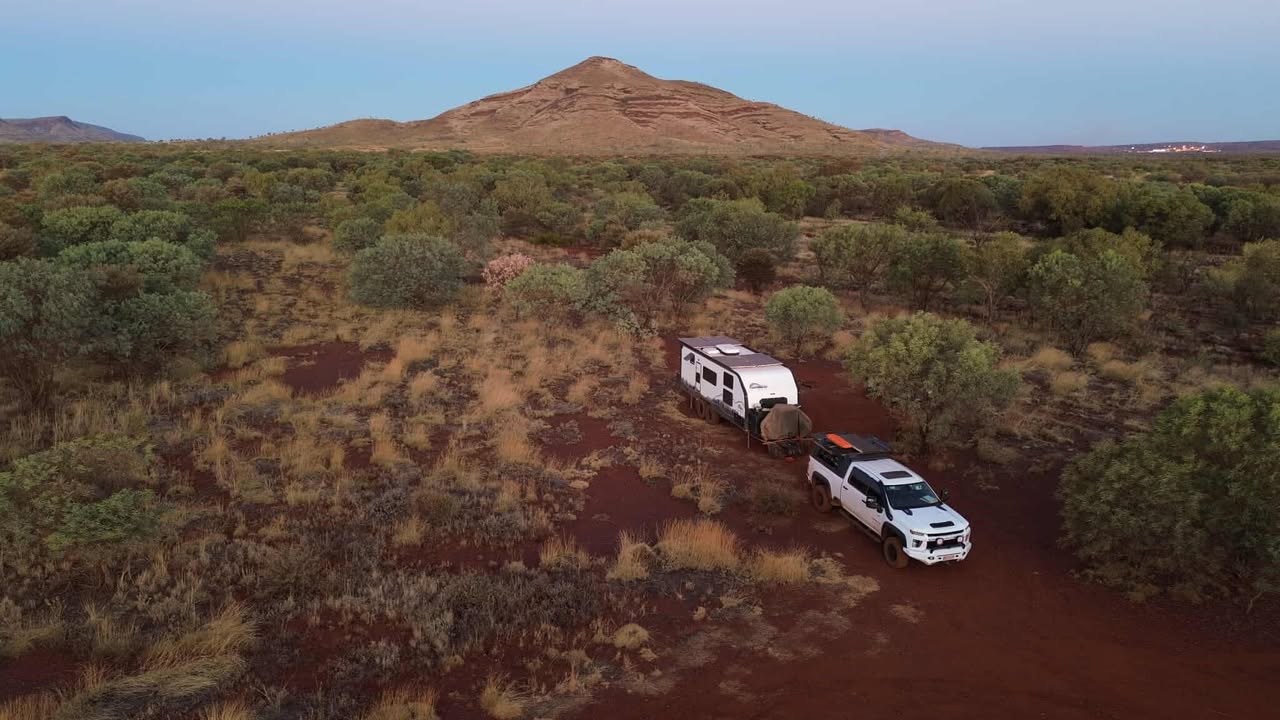
Price is driven by four big levers:
- Structure & engineering(materials, chassis, suspension, sealing)
- Systems(electrical, solar, plumbing, gas)
- Finish & fit-out(cabinetry materials, hardware, windows/hatches, appliances)
- People & process(qualified trades, time on tools, quality control, after-sales)
Cheaper vans simplify in each area. Premium vans spend more on stronger construction, higher-spec systems, better finishes, and skilled labour—then back it with tighter QC and support.
1) Structure & Engineering: The Foundation of Everything
Materials & construction method
- Timber frame vs composite shell:Timber is cheaper and faster to work with but is heavier and can be vulnerable to moisture over the long term if not perfectly sealed. Composite panels (fibreglass skins with foam cores) are lighter, stiffer, thermally better, and resist water ingress—but they require specialized tooling, adhesives, presses, and longer cure times (read: more cost and more skill).
- What we do:Offroad Grit RV buildswithout timber—usingfibreglass composite with XPS foamfor walls/roof andfibreglass-infused flooring. This lifts material cost and build time up front, but it pays back in strength, insulation, and durability.
Chassis & suspension
- Entry-level: straight-axle or basic independent setups, lighter sections, simpler cross-members.
- Premium off-road: truss or boxed chassis, high-grade steel, laser-cut components, proper corrosion protection, and quality independent trailing-arm suspension with tuned shocks. Airbag systems anddisc brakesadd cost but transform on- and off-road manners.
- What we do:We spec serious running gear (e.g.,Cruisemasterairbag options withdisc brakes) on many builds because it meaningfully changes safety, control, and fatigue on long corrugated stretches.
Sealing & weatherproofing
- Time spent on bonding prep, correct adhesive thickness, edge-capping, and penetrations (windows, hatches, accessories) separates a dry, quiet van from a squeaky, leaky one.
- Pro tip:Stick your head under a cheaper van and look closely at thesilicone sealingaround entry points in the floor (water pipes, wiring, gas). Often, it’s messy and inconsistent—because that’s where time is saved. In a premium van, this detail is neat, thorough, and checked before it leaves the factory.
2) Electrical & Energy Systems
Battery storage & solar
- Lithiumvaries: cheap packs can look good on paper (same Ah rating) but differ massively in quality of cells, BMS, and protection.
- Solar:It’s not just about headline wattage; it’s about how it’s mounted, wired, and controlled.
What we do:Our vans start witha minimum of ~600Ah of lithium storageand~1320W of solarUsing Victron componentry. We choose this because it works in the real world, not just on a brochure. It increases material cost, wiring time, and commissioning, but it drastically improves off-grid reliability.
Integration time
- Clean looms, labelled circuits, correct breakers/fuses, marine-grade cable, tidy terminations—this is slow, skilled work. The difference is hidden behind panels, but you feel it every day.
3) Plumbing & Gas: Boring (and Critical)
- Hot water, pumps, mixers, pipework, crimp systems, tanks, filtration, heaters—quality varies wildly.
- Correct mounting (to avoid abrasion/fatigue), proper falls and runs, vibration isolation, and accessible service points are the difference between years of quiet service and a trip-ruining leak.
- What we do:Every Offroad Grit van haslagged pipework underneathto protect it from stone damage. (No “pool noodles” zip-tied on as an afterthought.) This small but important step adds labour and cost but prevents costly failures on corrugated tracks.
- Gas certification and compliance add time and cost; cutting corners here is dangerous and false economy.
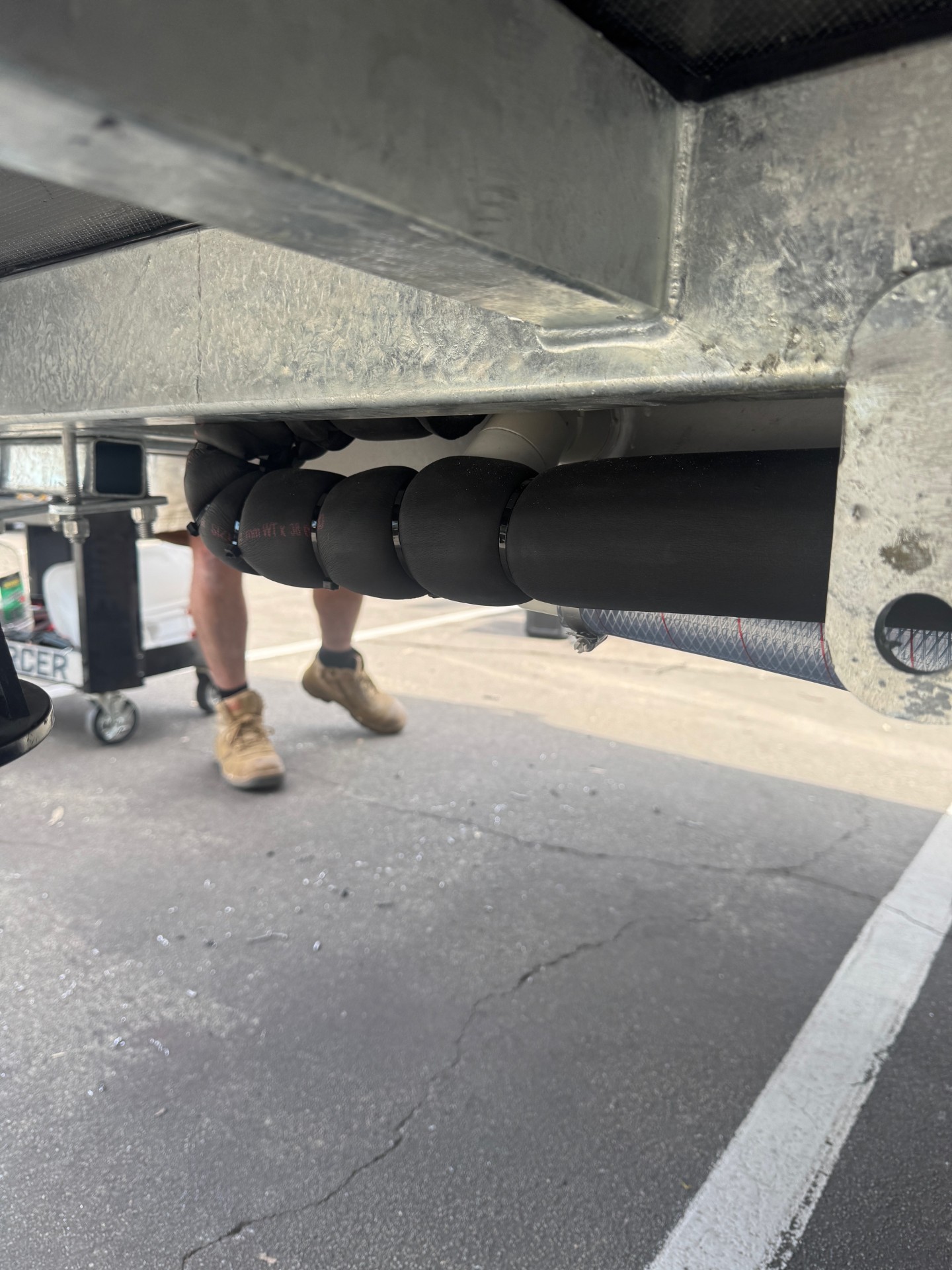
All Offroad Grit RVs have Lagged Pipes under the van
4) Interiors & Finishes: Where You Live With the Decision
Cabinetry & substrates
- MDF/chipboardis cheap and easy to machine but doesn’t love moisture or flex.
- PVC cabinetryis more costly and time-consuming to craft but is dimensionally stable and moisture resistant—excellent for off-road vibration and Australia’s humidity.
- Hardware(hinges, slides, latches) has huge range. Cheap parts rattle and fail; premium parts feel solid and last.
- What we do:PVC cabinetry throughout androbust drawer latches. It adds to both materials and labour, but it’s the reason drawers stay shut on corrugations.
Windows, hatches, doors
- Double-glazed windows, quality seals, and larger hatches improve light/ventilation but increase cost (hardware, cut-out labour, sealing time). Bigger openings must be engineered carefully so you don’t compromise structural integrity.
5) People & Process: The Invisible Cost
Trades & skill mix
- Premium vans are built byqualified cabinetmakers, auto-electricians, fabricators, and licensed gas plumberswho are paid accordingly.
- Complex systems (composite bonding, advanced suspension) demand higher skill and supervision.
Time on tools
- More checkpoints, test procedures (water tests, electrical commissioning, weighbridge, brake checks), and rectification time add days—not hours.
Quality control
- Stage-gate inspections with sign-offs, torque audits, leak tests, electrical load tests, and road tests take time. Cheaper builds skip or compress these steps; premium builders don’t.
After-sales
- Stocking spares, honouring warranty properly, and having people who answer the phone costs money. It’s included in the price of a premium van whether you need it or not.
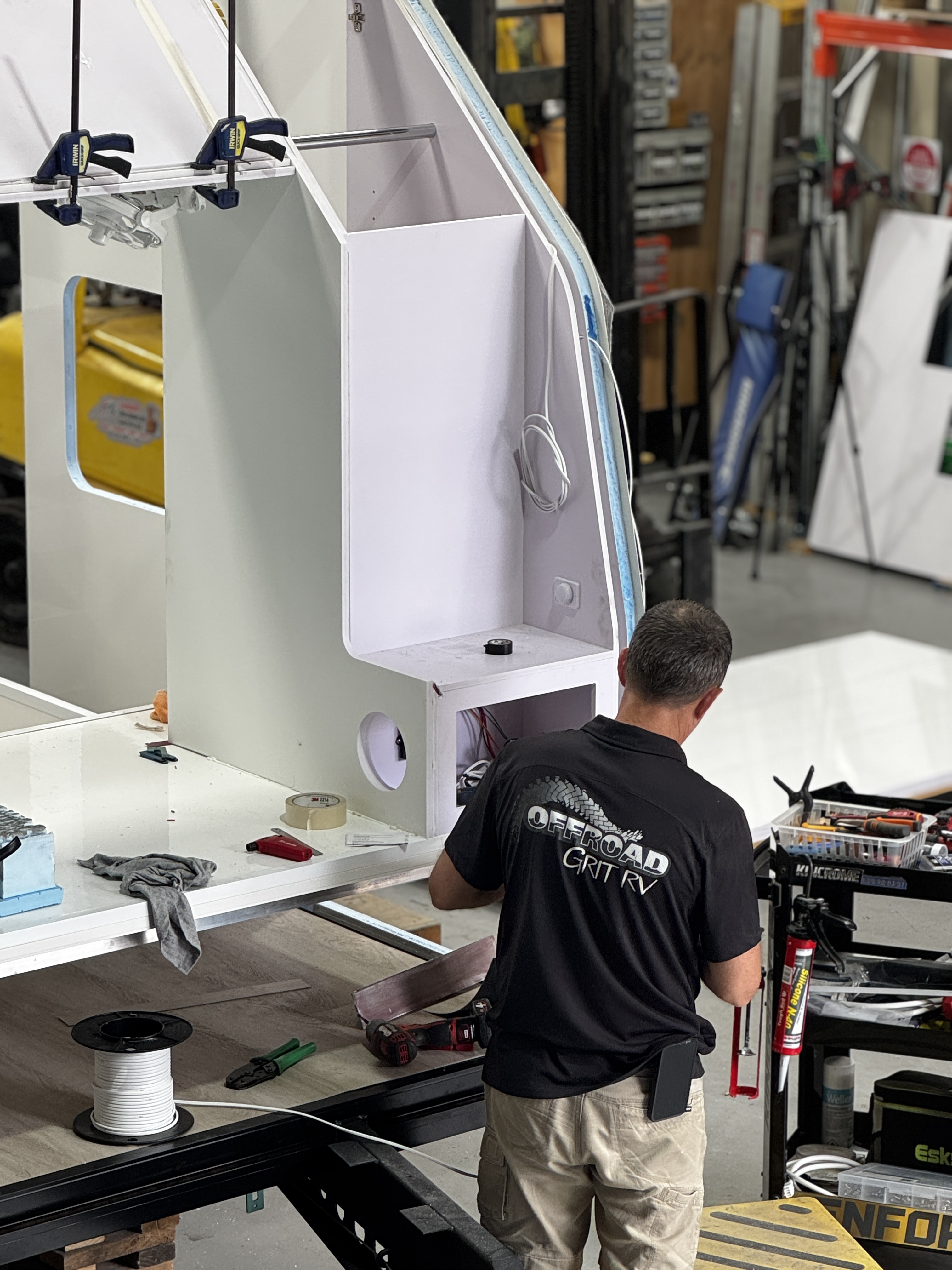
Qualified Tradespeople can make a difference in our your vans built
6) Design, R&D, and Compliance (The Costs No One Sees)
- CAD work, prototyping, structural sign-offs, integration testing, documentation, and maintaining compliance with standards all add cost before the first customer even sees a van.
- When layouts change (door position, axle lead, heavy appliances),weight distributionand sway characteristics have to be re-checked. Getting this wrong is unsafe and expensive to put right later.
7) Australian Manufacturing Reality
- Australian wages, Australian steel, and small-batch production increase unit cost.
- The upside: better oversight, faster parts access, and builds tailored to our roads and climate.
So… Why Is An Offroad Grit RV Often $150k+?
Because we spend where it matters long-term:
- No-timber construction:fibreglass composite with XPS foam walls/roof,fibreglass-infused flooring
- Serious off-grid systems:~600Ah+ lithium,~1320W+ solar
- Running gear that works off-road:optionalairbag suspensionwithdisc brakes(e.g., Cruisemaster)
- Cabinetry that survives corrugations:PVCwith strong latches
- Plumbing that lasts:lagged pipework to stop stone damage, not quick-fix “pool noodles”
- Generous standard storage fit-out:20 drawers, 7 cupboard doors, 10 overhead cupboardsincluded
- Time, trades, and QCthat reflect how far from home our customers travel
You can absolutely build a cheaper van by simplifying each of those decisions. We choose not to because our customers use their vans hard and keep them for years.
Final Thought
An $85–95k van can suit plenty of travelers who stick to milder roads and powered sites. A $150k+ van exists for people who wanttrue off-grid independence, real off-road composure, and long service life—with support to match. We build for that second group.
Ready to price your build?Use ourQuote Formto choose your upgrades.